The 10 Best Weekend Getaways in Europe
This one's built differently from the first three volumes. Hotels, restaurants and bars have real, credible, independently-voted rankings behind them — The World's 50 Best, in various flavours. "Best weekend getaways" doesn't have an equivalent competitive authority, so pretending otherwise would be dishonest. This is AVARA's own curated shortlist, built against explicit, statable criteria rather than vibes: each destination sits within a genuinely short-haul flight or train from major European hubs (London, Amsterdam, Paris, Frankfurt — under roughly three hours in the air, or a sensible direct train), each has enough packed into a small geographic footprint that three days doesn't feel rushed, and each is currently in good form — not overrun, not closed for renovation, not past its cultural moment.
Every itinerary below assumes the same shape: fly or arrive Friday evening, two full days Saturday and Sunday, depart Monday morning if you can stretch it (all the itineraries are written as if you have the Friday evening plus a full Saturday and Sunday, however you choose to bookend it). Every listed venue and sight includes a Google Maps link so you can drop it straight into your phone, and official ticketing links wherever a genuine official site exists — several of Europe's most popular attractions are now surrounded by third-party resale sites dressed up to look official, so where that's the case, we've flagged it and pointed you to the real one.
No. 1 — Copenhagen
Copenhagen, Denmark
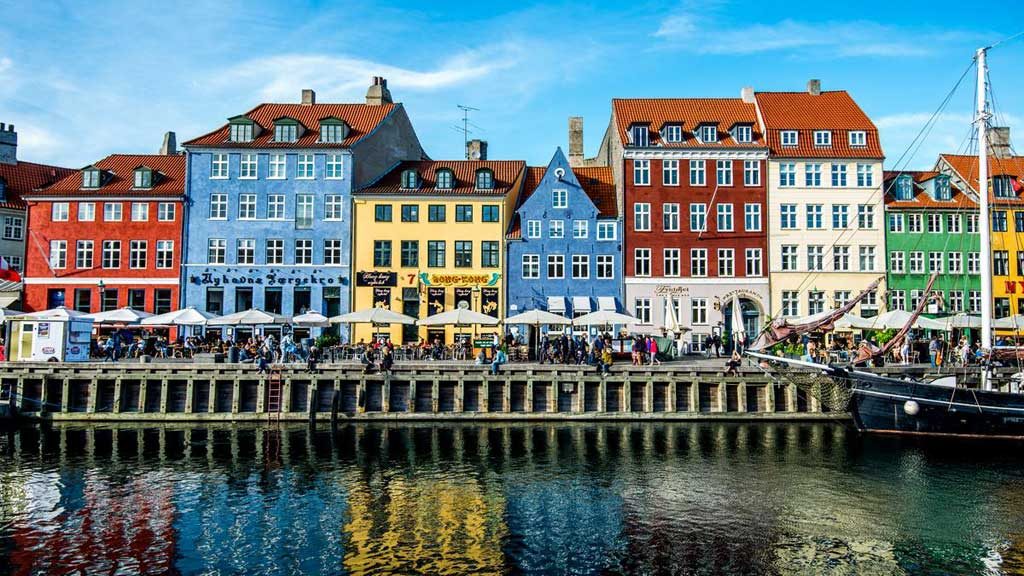
Nyhavn in summer, Copenhagen. Photo: Jacob Schjørring & Simon Lau / Visit Copenhagen — Official tourism-board image — courtesy of Visit Copenhagen. Denmark's capital packs design, food and civic pleasantness into a city small enough to walk across in under an hour — a weekend here rarely feels like triage between too many options, which is rarer than it sounds in a European capital.
Getting there: Copenhagen Airport (CPH) is 3.5km from the city centre, connected by metro in 15 minutes. Roughly 2 hours from London, Amsterdam or Paris.
Friday evening: Check in and head straight to Reffen (reffen.dk), the city's street-food harbour market, for an easy first dinner with a view over the water — then walk it off along the harbour to Nyhavn for a canal-side drink among the coloured townhouses.
Saturday: Morning at Tivoli Gardens (tivoli.dk) — yes, it's a theme park, but it's also a 180-year-old garden that shaped the look of amusement parks worldwide, and it's genuinely lovely to walk before the crowds arrive. From there, head to Designmuseum Danmark (designmuseum.dk) for the Danish-design education, then lunch at Torvehallerne food market. Spend the afternoon in Nørrebro — browse Ravnsborggade for vintage and antiques, then walk the lakes (Søerne) back toward the centre. Dinner: book well ahead for a mid-tier New Nordic spot like Kadeau or, if budget allows and you can get a seat, treat the trip as the excuse to try Alchemist (see our World's 25 Best Restaurants guide — booking opens months out).
Sunday: Rent a bike (this is the best way to see the city) and ride to Christiania, the self-governing hippie enclave, for an hour's wander, then across to Rundetaarn (rundetaarn.dk) — climb the spiral ramp for the best rooftop view in the city. Finish with a slow lunch and coffee in Frederiksberg before heading to the airport.
Where to stay: Hotel Sanders (boutique, Nyhavn-adjacent), Manon Les Suites (design-forward mid-range), or Nimb Hotel (inside Tivoli itself, for the splurge).
Book ahead: Tivoli entry (skip the queue), any New Nordic dinner reservation (weeks to months out depending on the restaurant).
No. 2 — Porto
Porto, Portugal
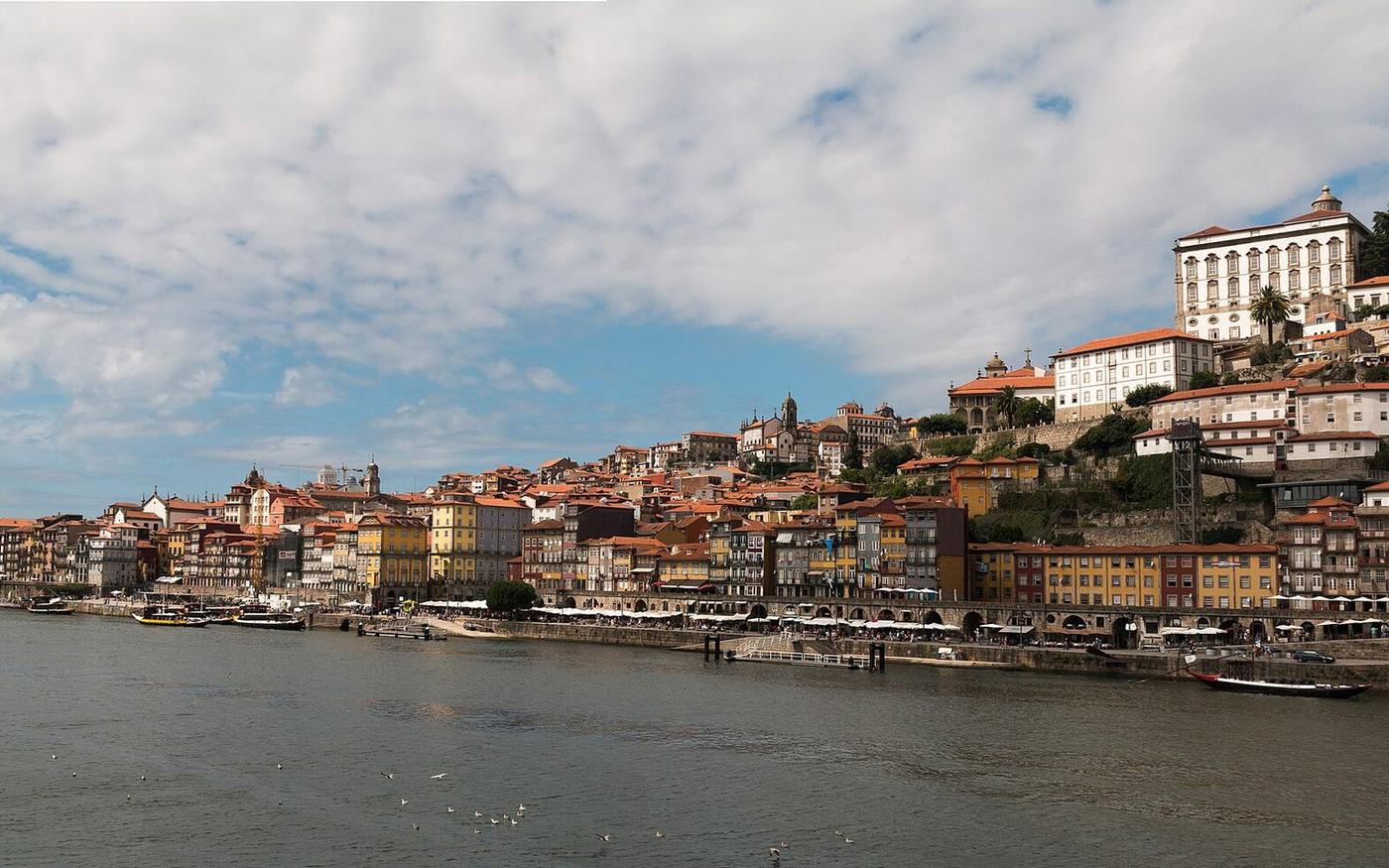
The Ribeira, Porto. Photo: Daniel VILLAFRUELA (Wikimedia Commons) — CC BY-SA 4.0. Porto is what people wish Lisbon still felt like — steep, tiled, unpretentious, and organised almost entirely around the Douro river and the port wine trade that built it.
Getting there: Francisco Sá Carneiro Airport (OPO) connects to the city centre by metro in about 25 minutes. Around 2.5–3 hours from London, Amsterdam or Paris.
Friday evening: Settle in the Ribeira district and have dinner riverside — Cantina 32 is a reliable, unfussy modern-Portuguese spot. Afterward, cross the Dom Luís I Bridge on foot to Vila Nova de Gaia for a late glass of tawny port with a view back across the river at Espaço Porto Cruz.
Saturday: Morning at Livraria Lello (livrarialello.pt) — book a timed entry online in advance, it sells out and the queue without a ticket is brutal. Walk to Palácio da Bolsa for the Arab Room, then to Igreja de São Francisco next door for the almost absurdly gilded interior. Lunch at Mercado do Bolhão, the recently restored central market. Spend the afternoon properly in Gaia: book a cellar tour and tasting at Graham's (grahams-port.com) or Taylor's — both do the port-wine education properly and both have terraces worth lingering on. Dinner back across the river at Cervejaria Gazela for francesinha, Porto's absurd, essential sandwich.
Sunday: Morning walk along the Foz coastline where the Douro meets the Atlantic — start at Jardins do Palácio de Cristal for the river views, then take the tram (Linha 1) out to Foz do Douro for a seafood lunch by the water at Sea You or similar. Head to the airport from there.
Where to stay: The Yeatman (splurge, in Gaia, views across to Ribeira), Torel Avantgarde (design-forward mid-range), Selina Porto (budget, sociable).
Book ahead: Livraria Lello timed entry, port cellar tour at Graham's or Taylor's.
No. 3 — Ljubljana & Lake Bled
Ljubljana & Lake Bled, Slovenia
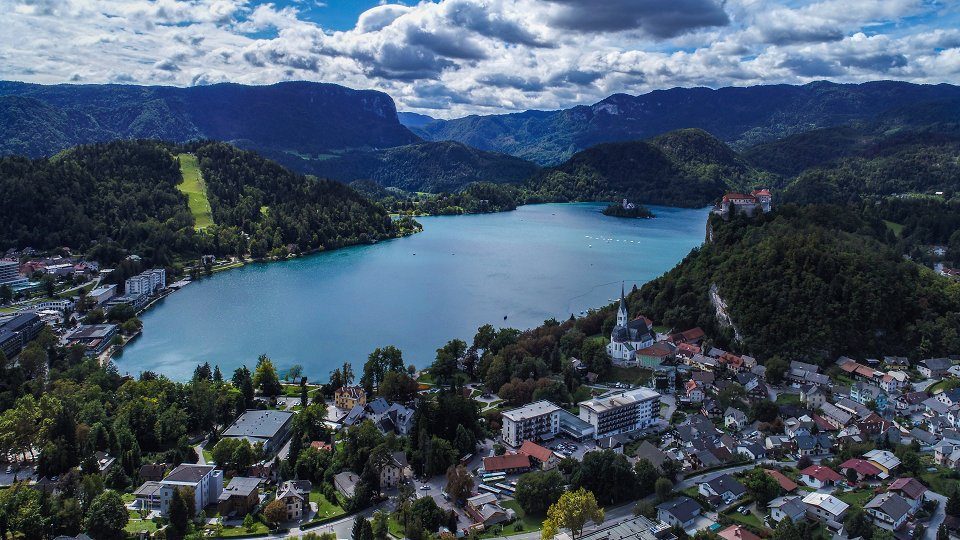
Lake Bled, Slovenia. Photo: Jani Kolman / Turizem Bled — Official tourism-board image — courtesy of Turizem Bled. The rare weekend trip that's genuinely two destinations in one: a compact, walkable, quietly stylish capital, and an hour away, one of Europe's most photographed lakes.
Getting there: Ljubljana Airport (LJU) is 26km from the city, with a shuttle bus taking about 45 minutes. Roughly 2–2.5 hours from London, Amsterdam or Frankfurt.
Friday evening: Arrive, drop bags, and walk straight to the river. Ljubljanica-side restaurants along Cankarjevo nabrežje are made for a first, unhurried dinner — try Julija. After, walk up to Ljubljana Castle for the night view over the rooftops (the funicular runs until 22:00 or later in summer).
Saturday — Lake Bled day trip: Rent a car or take the direct bus (about an hour) to Lake Bled. Take a traditional pletna boat out to Bled Island and ring the wishing bell inside the church, then climb up to Bled Castle (blejski-grad.si — book online, avoid third-party resale sites) for the best panoramic shot of the lake. Have the local kremšnita (cream cake) at one of the lakeside cafés before heading back to Ljubljana for the evening — dinner at Gostilna na Gradu, inside the castle grounds, doing modern Slovenian food seriously.
Sunday: Spend the morning in Ljubljana proper — the Central Market (Sunday morning is prime time), then across Triple Bridge into the old town to browse Metelkova, the former army barracks turned alternative art squat, if you want a change of pace from the postcard centre. Lunch, then head to the airport.
Where to stay: Vander Urbani Resort (boutique, old town), InterContinental Ljubljana (mid-range/business), Grand Hotel Union (classic, central).
Book ahead: Bled Castle tickets, pletna boat to Bled Island (cash often required lakeside), a rental car if doing Bled independently rather than by bus.
Read the ljubljana city guide · Read the lake bled city guide
No. 4 — Seville
Seville, Spain
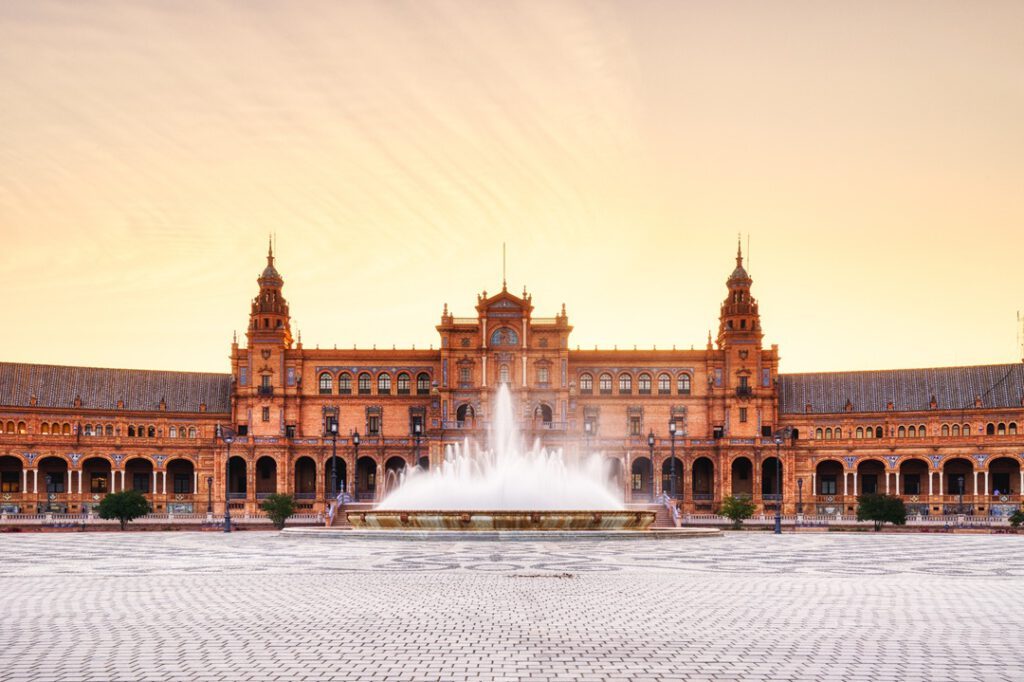
Plaza de España, Seville. Photo: Visit Sevilla — Official tourism-board image — courtesy of Visit Sevilla. The Andalusian capital does flamenco, Moorish architecture and tapas culture better and more authentically than anywhere else in Spain, and it's compact enough to properly cover in a long weekend.
Getting there: Seville Airport (SVQ) is 10km from the centre, roughly 20 minutes by taxi or bus. About 2.5–3 hours from London, Amsterdam or Paris.
Friday evening: Head into the Triana neighbourhood across the river — historically the flamenco and ceramics quarter — for tapas at Casa Cuesta or similar, then catch an evening flamenco show at Casa de la Memoria — smaller and more intimate than the touristy Tablao options, and considerably cheaper.
Saturday: Book a morning timed-entry slot for the Real Alcázar — book directly through the Alcázar's own ticketing system (several resale sites rank above the real one in search, so go via the official Seville tourism portal, visitasevilla.es, if unsure) and arrive right at opening to beat the heat and the crowds. Follow with the Cathedral of Seville and Giralda tower (catedraldesevilla.es) next door — climb the Giralda for the best rooftop view in the city. Lunch in the Santa Cruz quarter, then spend the afternoon at Plaza de España and the adjoining María Luisa Park — go later in the afternoon when the light and heat both soften. Evening: proper tapas crawl through the Alfalfa neighbourhood — Casa Morales for the setting (one of the city's oldest bars), El Rinconcillo for the food (reputedly Seville's oldest tapas bar, since 1670).
Sunday: Morning walk through Metropol Parasol ("Las Setas") for the views over the old town from the rooftop walkway, then browse the Sunday flea market at Alameda de Hércules if timing allows. A final lunch of gazpacho and salmorejo before the airport.
Where to stay: Hotel Alfonso XIII (grand, splurge, historic), EME Catedral Hotel (rooftop bar with Cathedral views, mid-to-high), Hotel Amadeus (boutique, music-themed, mid-range).
Book ahead: Real Alcázar timed entry (books out days to weeks ahead in peak season), Cathedral/Giralda ticket, flamenco show reservation.
No. 5 — Bologna
Bologna, Italy
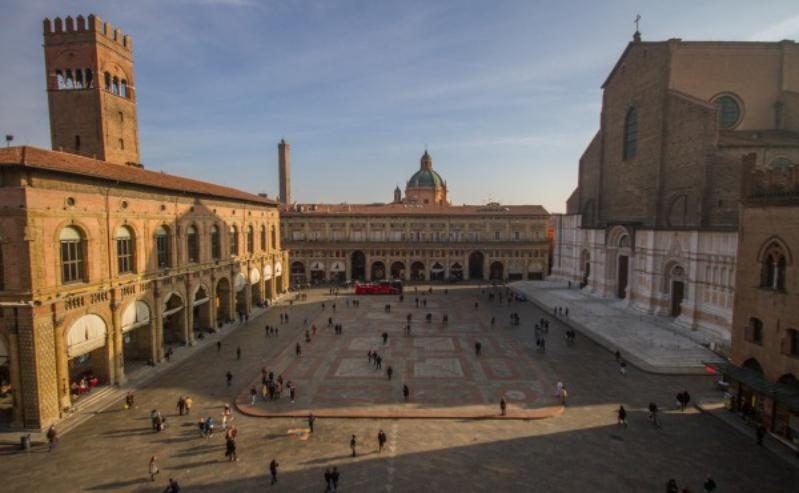
Piazza Maggiore, Bologna. Photo: Bologna Welcome — Official tourism-board image — courtesy of Bologna Welcome. Italy's food capital, and one it wears without needing to shout about it — porticoed streets, two leaning medieval towers, and arguably the best regional cooking in the entire country, all inside a city small enough to never need a taxi.
Getting there: Bologna Guglielmo Marconi Airport (BLQ) connects to the centre via the Marconi Express monorail in about 7 minutes. Roughly 2 hours from London, Amsterdam or Paris.
Friday evening: Walk beneath the porticoes (Bologna has over 40km of them, UNESCO-listed) into the university quarter for aperitivo, then dinner at a proper trattoria — Trattoria di Via Serra or Osteria dell'Orsa for unpretentious, superb tagliatelle al ragù.
Saturday: Climb the Torre degli Asinelli (the taller of Bologna's two towers) first thing, before the queue builds — book online where possible. Spend the rest of the morning in the Quadrilatero market district around Piazza Maggiore, grazing through the cheese, cured-meat and pasta stalls rather than sitting for a formal lunch. Afternoon: walk (or take the bus partway) up to the Sanctuary of the Madonna di San Luca — reached by the longest continuous portico in the world, nearly 4km, and worth the climb for the view over the city and hills. Dinner properly, at Trattoria Gianni or, for a special occasion, book ahead at I Portici (Michelin-starred, inside an old cinema).
Sunday: Morning at Basilica di San Petronio on Piazza Maggiore, then a final wander through Via Pescherie Vecchie for a last plate of fresh tortellini in brodo before heading to the airport — Bologna is genuinely one of the few European cities where the departure-day meal is worth planning around.
Where to stay: Grand Hotel Majestic (splurge, historic), Hotel Corona d'Oro (boutique, central), I Portici Hotel (mid-range, attached to the restaurant of the same name).
Book ahead: Torre degli Asinelli timed entry, dinner reservation at I Portici if going for the splurge night.
No. 6 — Kraków
Kraków, Poland
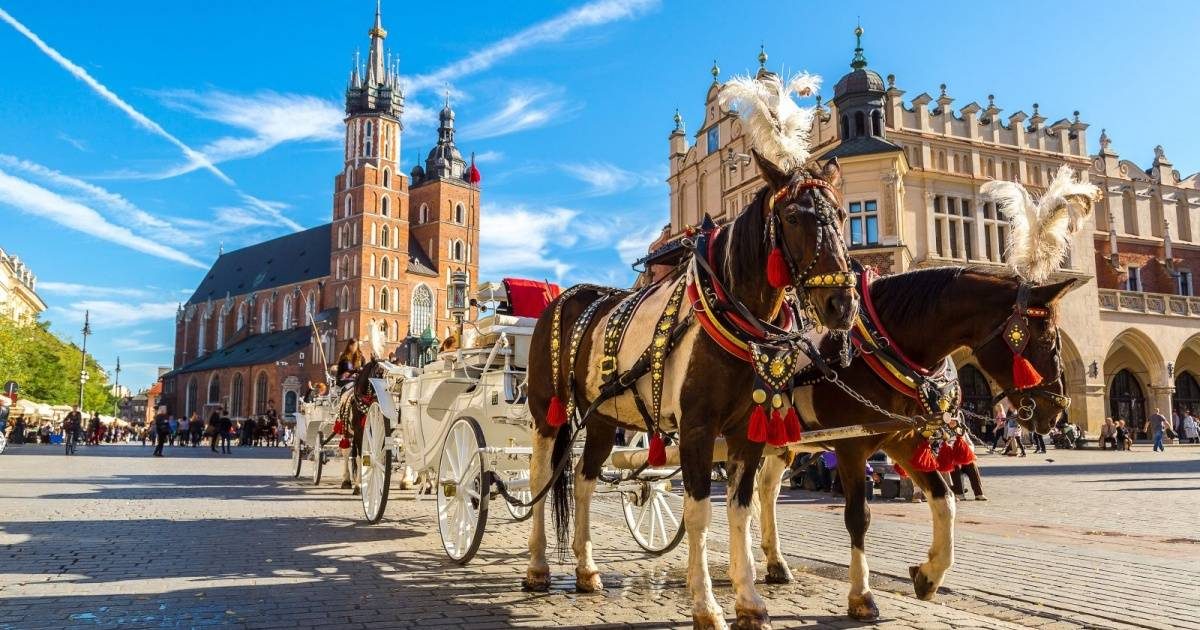
Main Market Square, Kraków. Photo: Kraków Travel — Official tourism-board image — courtesy of Kraków Travel. Poland's former royal capital survived the Second World War with its old town almost entirely intact, which makes it one of the best-preserved medieval city centres left in Europe — and it sits an hour from one of the most important historical sites anywhere on the continent.
Getting there: John Paul II International Airport Kraków–Balice (KRK) connects to the centre by train in about 20 minutes. Around 2.5–3 hours from London, Amsterdam or Frankfurt.
Friday evening: Dinner in Kazimierz, the historic Jewish quarter, now the city's most atmospheric nightlife district — try Hamsa for modern Israeli-Jewish cooking done well, then a drink at one of Kazimierz's deliberately unmarked, ruin-bar-style courtyards.
Saturday: Spend the morning on Rynek Główny, Europe's largest medieval town square, taking in the Cloth Hall market stalls and St. Mary's Basilica (listen for the trumpet call, the hejnał, played on the hour from the tower). Walk up to Wawel Castle and Cathedral (wawel.krakow.pl) for the early afternoon — book the Royal Apartments or Cathedral separately if you want the interiors, both need timed tickets in peak season. Afternoon: descend into the Wieliczka Salt Mine (wieliczka-saltmine.com; book via bilety.kopalnia.pl for official tickets), a UNESCO-listed working mine 15km outside the city with entire chapels carved from rock salt, roughly 20 minutes by train or organised transfer. Dinner back in the old town at Pod Aniołami, set in a 13th-century cellar, doing serious Polish cooking.
Sunday: This is where the weekend gets heavier, deliberately. Book a morning slot at the Auschwitz-Birkenau Memorial and Museum (book only through visit.auschwitz.org — as of 2026 all entry passes must be reserved online in advance, on-site sales have been discontinued), about 1.5 hours from Kraków by organised transfer or train plus local bus. It is not a light add-on to a city break; treat it as the actual purpose of the day, allow the better part of it, and don't schedule anything demanding afterward. Head straight to the airport from there, or back into Kraków for a quiet final coffee if your flight allows.
Where to stay: Hotel Copernicus (splurge, Old Town, Michelin-adjacent restaurant), Hotel Wentzl (boutique, on the main square), Puro Kraków Kazimierz (design-forward mid-range).
Book ahead: Auschwitz-Birkenau entry pass (mandatory advance online booking), Wawel Royal Apartments/Cathedral tickets, Wieliczka Salt Mine tour slot.
No. 7 — Ghent
Ghent, Belgium
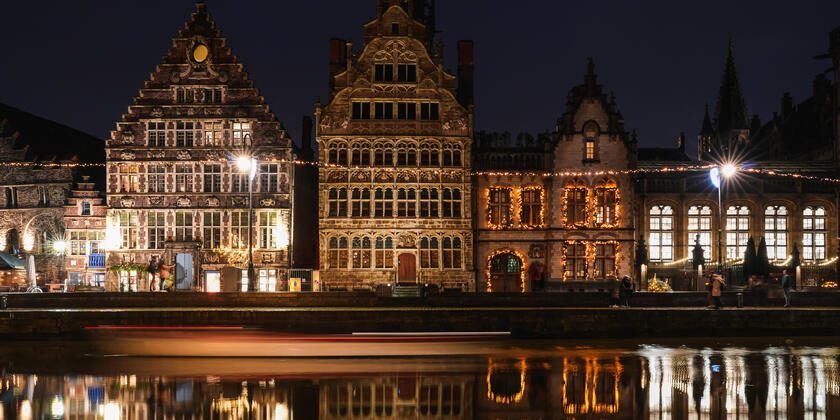
Graslei at evening, Ghent. Photo: Visit Gent — Official tourism-board press image — courtesy of Visit Gent. Everything people love about Bruges, with roughly a third of the tourists — a genuine working Flemish city with its own university, its own nightlife, and a medieval core just as photogenic.
Getting there: No airport of its own; fly into Brussels (BRU) and take the direct train, about 50 minutes. Brussels is roughly 1.5–2 hours from London, Amsterdam or Paris.
Friday evening: Arrive and walk straight to Graslei and Korenlei, the twin medieval quaysides that form the single best view in the city, especially once the buildings are lit at night. Dinner at Volta or a simpler stew-and-frites spot like Aba-Jour for classic Flemish carbonade.
Saturday: Morning at Gravensteen Castle (Castle of the Counts, dating to 1180 — book via historischehuizen.stad.gent), the fully intact medieval castle right in the city centre, audio guide included with entry. From there, Sint-Baafskathedraal houses the Ghent Altarpiece, one of the most significant works in Western art history — worth the separate small entry fee to see it properly. Lunch at the Groentenmarkt food stalls, then spend the afternoon wandering Patershol, the tangle of medieval lanes behind the castle, now full of independent boutiques and small galleries. Evening: dinner then a proper Belgian beer crawl — start at 't Dreupelkot for jenever, then Het Waterhuis aan de Bierkant for one of the largest beer lists in the city, canal-side.
Sunday: Rent a bike (the flattest, most bike-friendly city on this list) and ride out to Sint-Pietersabdij, a former Benedictine abbey with genuinely peaceful grounds, then loop back through the university quarter for a final coffee before heading back to Brussels for the flight.
Where to stay: 1898 The Post (splurge, inside the old post office building), Ghent Marriott (canal views, mid-to-high), Simon Says (boutique, design-led, mid-range).
Book ahead: Gravensteen entry, Ghent Altarpiece viewing slot at Sint-Baafskathedraal.
No. 8 — Tallinn
Tallinn, Estonia
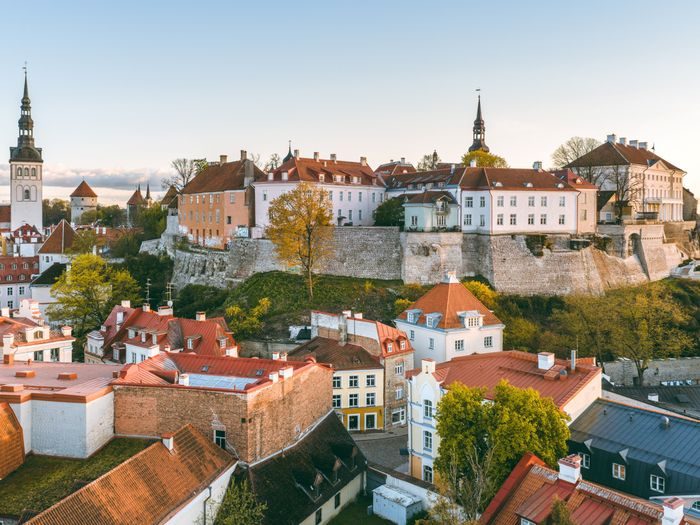
Tallinn Old Town. Photo: Kaupo Kalda / Visit Tallinn — Official tourism-board image — courtesy of Visit Tallinn. The best-preserved medieval old town in the Baltics, paired incongruously with one of Europe's most digitally advanced small countries — a weekend here is equal parts fairy tale and glimpse of e-governance done right.
Getting there: Lennart Meri Tallinn Airport (TLL) is 4km from the centre, about 15 minutes by tram or taxi. Roughly 3 hours from London, 2.5 from Amsterdam.
Friday evening: Walk straight into the Old Town through one of the surviving city-wall gates and have dinner somewhere properly medieval in theme without tipping into kitsch — Rataskaevu 16 does modern Estonian food inside a genuinely old building. Afterward, a nightcap at one of the courtyard bars just off Pikk Street.
Saturday: Morning wander through Town Hall Square and up to Toompea Hill for the two official viewing platforms (Kohtuotsa and Patkuli) looking out over the red roofs to the Baltic Sea — go early, both get crowded by mid-morning. Visit Alexander Nevsky Cathedral on Toompea itself. Lunch back down in the Old Town, then spend the afternoon at Kadriorg Palace and Park, Peter the Great's 18th-century palace and grounds, a tram ride from the centre — the Kumu Art Museum is on the same grounds if you want more indoor time. Evening: dinner at NOA Chef's Hall, a genuine destination restaurant on the coast just outside the centre with sea views.
Sunday: Take the short ferry or a taxi out to Tallinn TV Tower (teletorn.ee) for the observation deck and a good sense of how the city sits against the forest and coast, or, if you'd rather stay central, spend the morning in the increasingly cool Telliskivi Creative City district — converted industrial buildings now full of independent design shops, breweries and street-food stalls, a genuine contrast to the medieval core. Head to the airport from there.
Where to stay: Hotel Telegraaf (splurge, Old Town, in a former telegraph building), Nordic Hotel Forum (mid-range, central), Yolo Fiction Hotel (design-forward, playful, mid-range).
Book ahead: NOA Chef's Hall dinner reservation, Kadriorg Palace entry if visiting the interior rather than just the grounds.
No. 9 — Split & Hvar
Split & Hvar, Croatia
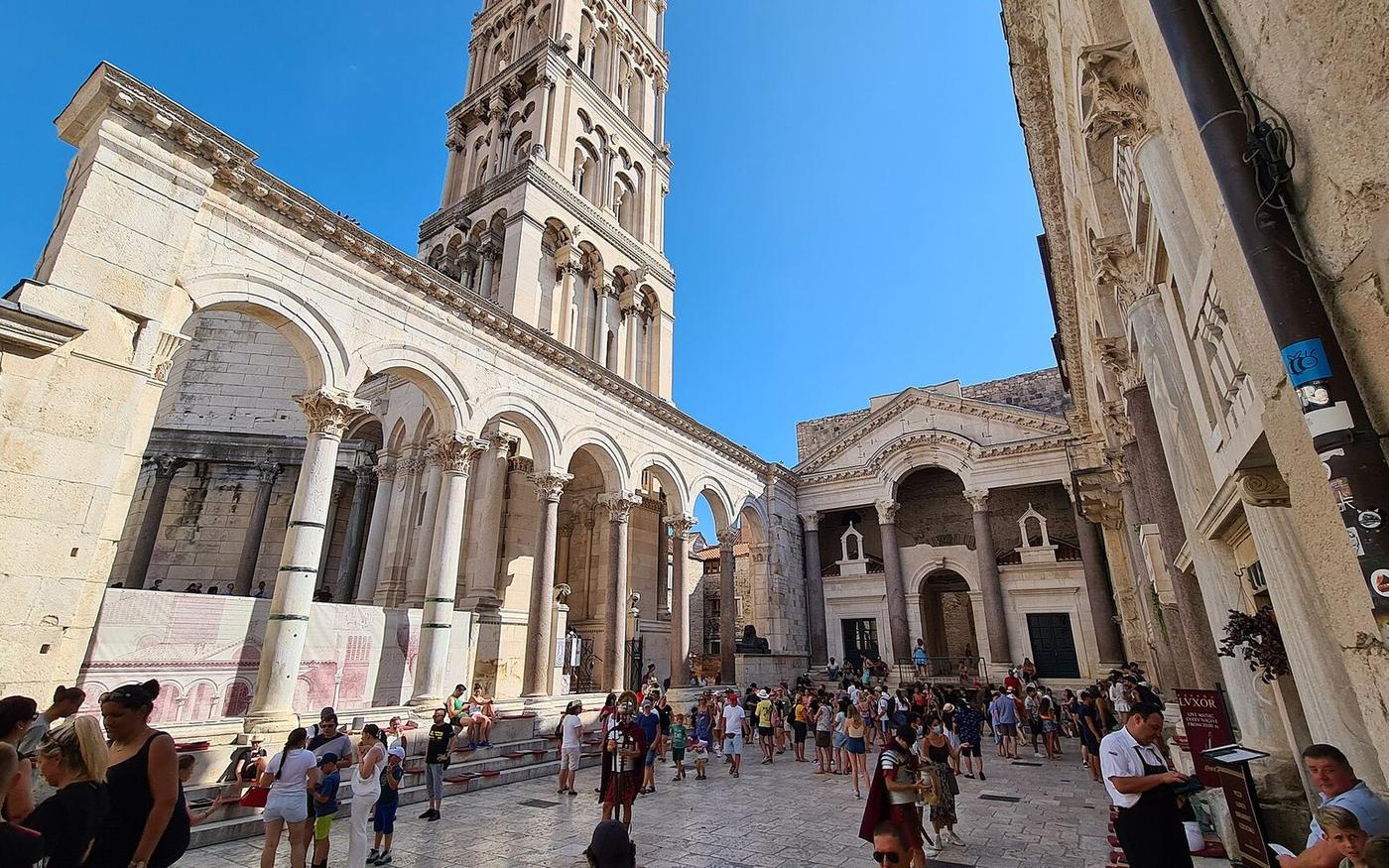
The Peristyle, Diocletian's Palace, Split. Photo: TimeTravelRome (Wikimedia Commons) — CC BY 2.0. A Roman emperor's retirement palace that became a living city, paired with the glamorous island a fast ferry away — arguably the best two-in-one coastal weekend in the Mediterranean.
Getting there: Split Airport (SPU) is 25km from the city, about 30 minutes by bus or taxi. Around 2.5–3 hours from London, Amsterdam or Frankfurt; best done May–September when ferry frequency to Hvar is highest.
Friday evening: Arrive and walk straight into Diocletian's Palace, a genuinely unique thing to grasp on first sight — a 4th-century Roman palace that people have simply kept living inside for 1,700 years, so the "sights" are also someone's actual front door. Dinner at Konoba Marjan or similar for grilled Adriatic fish, then a drink on the Riva waterfront promenade.
Saturday — Hvar day/overnight: Take the morning fast catamaran (Jadrolinija or Krilo, roughly 1 hour) to Hvar Town. Climb to Fortica Španjola for the best view over the harbour and the Pakleni Islands, then spend the afternoon on one of those islands — a short water-taxi from the harbour gets you to Palmižana for a genuinely excellent beach-club lunch. If staying over on Hvar (recommended if your schedule allows an extra day, otherwise catch the last catamaran back), dinner at Gariful, harbourside, then drinks at Hula Hula Hvar for the famous sunset.
Sunday: Back in Split (or catamaran back that morning), spend the day inside the palace complex properly: descend into the Cellars of Diocletian's Palace (buy tickets on-site at the Peristyle, no advance booking needed for individual entry — roughly €8, and yes, this is a Game of Thrones filming location if that means anything to you), then climb the bell tower of St. Domnius Cathedral for a final rooftop view before heading to the airport.
Where to stay: Split — Judita Palace Hotel (boutique, inside the palace walls) or Cornaro Hotel (rooftop bar, mid-range). Hvar — Suncani Hvar Amfora (resort, mid-to-high) or Palace Elisabeth Hvar Heritage Hotel (splurge, harbourside).
Book ahead: Hvar catamaran tickets (Jadrolinija.hr) especially in July–August, Palmižana lunch reservation in peak season.
No. 10 — São Miguel
São Miguel, Azores, Portugal
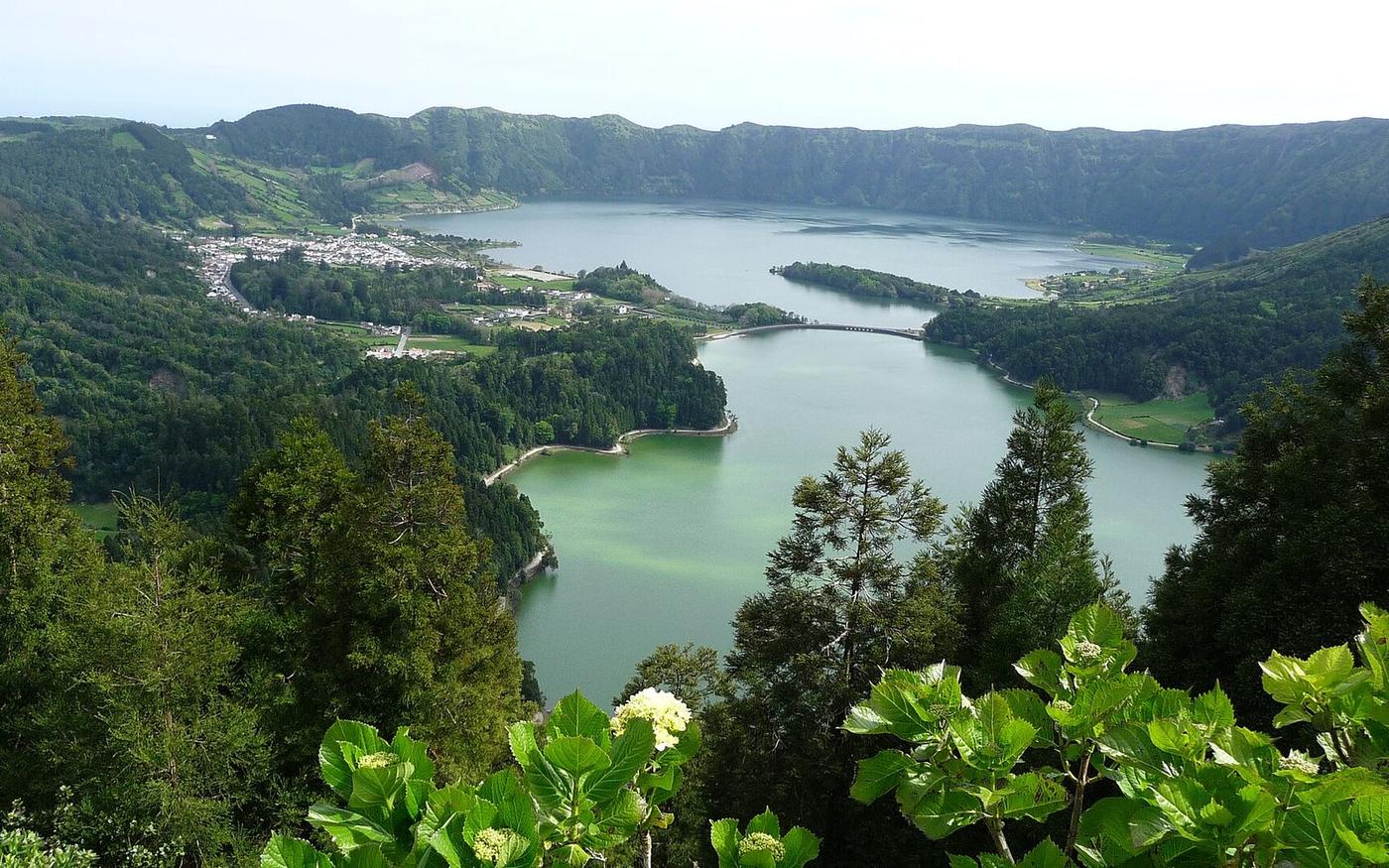
Sete Cidades from Vista do Rei, São Miguel. Photo: JopkeB (Wikimedia Commons) — CC BY-SA 4.0. The genuine outlier on this list — not a city break at all, but proof that a proper nature-reset weekend is still reachable in three hours from most of Europe. Volcanic lakes, hot springs and whale watching, all on one mid-Atlantic island.
Getting there: João Paulo II Airport (PDL) in Ponta Delgada. Around 2.5 hours from Lisbon, 4–4.5 hours direct from London or Amsterdam on seasonal routes — check current direct connections, as Azores routes shift more than mainland ones.
Friday evening: Arrive into Ponta Delgada, the main town, and keep it simple — dinner at A Tasca for excellent, unfussy Azorean seafood, then an early night, since the island rewards early starts.
Saturday: Drive (a rental car is essential here — public transport won't cover this itinerary) out to Sete Cidades, the twin crater lakes — one blue, one green — inside a single volcanic caldera, considered the island's signature view. Walk part of the crater rim trail for the classic overlook photo, then head down into the village itself for lunch by the lake. In the afternoon, drive to Lagoa do Fogo, a second, wilder crater lake roughly in the island's centre, for a shorter hike with fewer people. Evening: back in Ponta Delgada, dinner and an early night ahead of tomorrow's early boat.
Sunday: Book a morning whale-watching trip with Futurismo Azores Adventures (futurismo.pt) — São Miguel has one of the highest whale and dolphin sighting rates anywhere in the world (Futurismo cite above 98%), and the waters here support a genuinely unusual density of species due to deep-water proximity to shore. In the afternoon, drive out to Furnas for the geothermal side of the island: the bubbling Caldeiras das Furnas fumaroles, where a traditional stew (cozido) is still slow-cooked underground in volcanic heat, and the Terra Nostra Botanical Garden with its iron-rich, naturally heated thermal pool — bring a swimsuit you don't mind staining slightly orange. Head back to Ponta Delgada for the flight, or stay a third night if you can; this is the one destination on the list that rewards an extra day more than any other.
Where to stay: Ponta Delgada — White Exclusive Suites & Villas (design-forward, adults-focused) or Azor Hotel (harbourfront, mid-range). Furnas — Terra Nostra Garden Hotel (splurge, direct access to the thermal pool).
Book ahead: Rental car (book well ahead in summer, the island's fleet is limited), Futurismo whale-watching slot, a cozido lunch reservation in Furnas if you want the geothermally-cooked version rather than a regular restaurant take.
Volume 4 of the AVARA Best Of series, alongside the World's 20 Best Hotels, World's 25 Best Restaurants, and 20 Best Cocktail Bars in Asia. Note the difference in method: this one is AVARA's own curated pick rather than a sourced third-party ranking, built to the criteria stated at the top. Future volumes will keep following the same rule — real, voted rankings where a credible one exists (national parks, restaurants, hotels, bars), honest editorial curation clearly labelled as such where it doesn't (regional shortlists, itinerary-style guides like this one).
Curation: AVARA editorial. Unlike Volumes 1–3, this list is not derived from a third-party voted ranking — it is AVARA's own shortlist, built against the criteria stated above.
See the full AVARA Best Of collection · Browse all AVARA city guides